Even though our society benefits from better nutritional information and access to health care, millions of people worldwide struggle with iron deficiency. It’s one of the most prevalent conditions affecting people of all ages, lifestyles, and locations.
Yet here we are in 2026 discussing the Iron Deficiency Epidemic. Why? Because too many people have insufficient iron intake and/or poorly absorb dietary iron, even when they think they are eating healthily.
Why the Iron Deficiency Epidemic Should Be a Concern for You
When we talk about the Iron Deficiency Epidemic, we’re referring to the vast number of individuals who have low iron levels or find it difficult to obtain enough iron from their diet to meet their body’s daily demands.
The Iron Deficiency Epidemic impacts all sorts of people. If you’re active, a child, elderly, or vegan/vegetarian you can have challenges meeting your bodies iron needs.
How Iron Supports Normal Body Functions
The body relies on iron for essential functions that support daily health activities. This is why iron is essential to long term wellness. Your body needs iron to perform properly just as it needs other vitamins and also minerals.
Spinach Has Been Brainwashed Into Our Minds
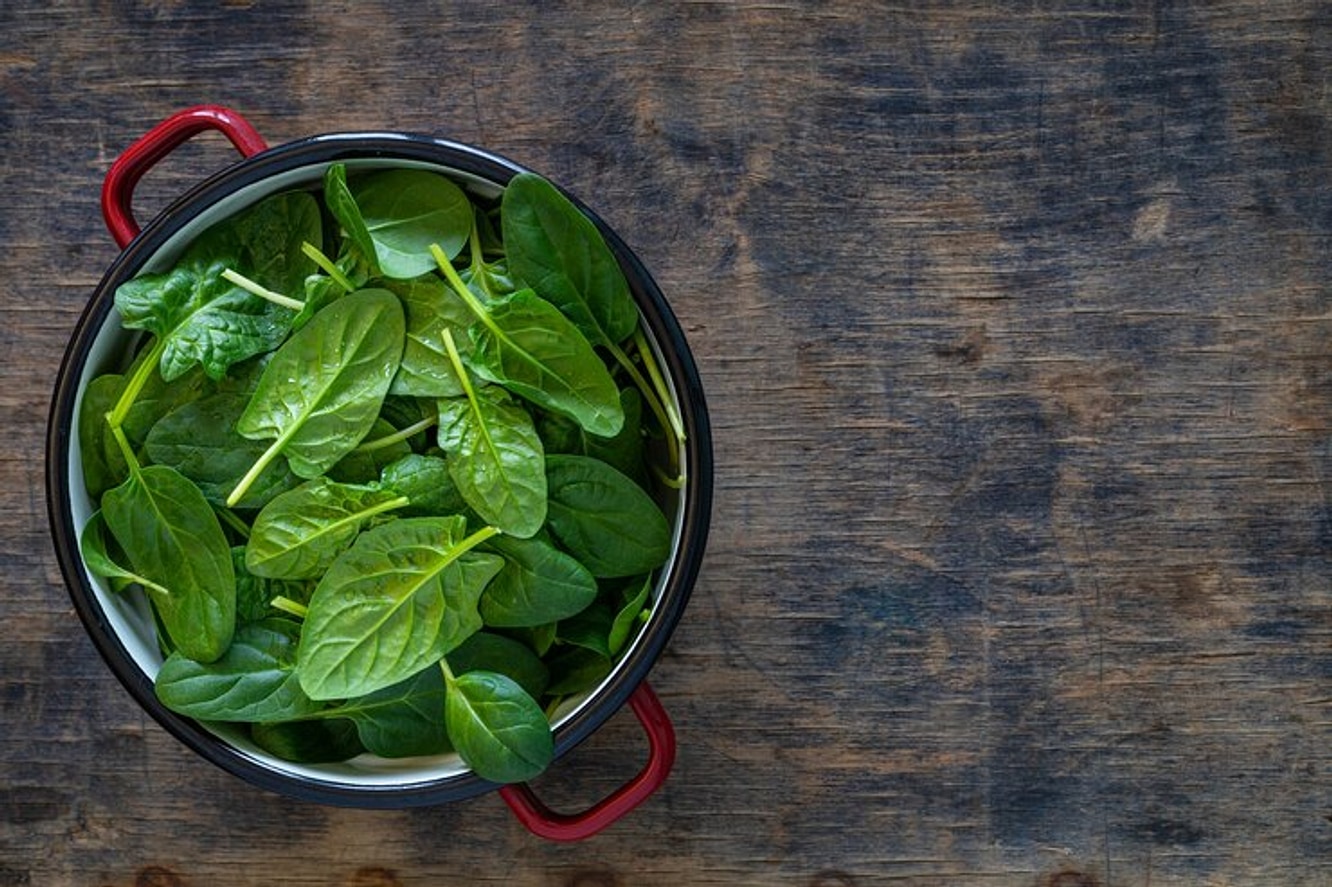
Spinach has been told it is one of the best foods to eat when trying to eat more iron. It’s been brainwashed into our minds so much that we don’t see past it as a solution.
Spinach contains iron, but that doesn’t mean it holds the key to overcoming the Iron Deficiency Epidemic. There is a lot more to nutrition than food intake.
Just because you eat foods high in iron doesn’t mean your body is absorbing it!
Learn the Difference Between Iron Intake and Iron Absorption
If we want to solve the Iron Deficiency Epidemic we have to address both iron intake and also iron absorption.
- Not all foods carry the same type of iron.
- Your body will absorb different amounts of iron from different foods.
- What you eat with your iron matters.
- Your body may process foods differently than others.
Once you understand how vitamins and minerals are absorbed into the body you will understand why some people struggle to eat healthily.
Plant Sources Vs Animal Sources of Iron
Don’t mistake my pointing out the benefits of spinach as me saying avoid plant-based sources of iron. Vegetables, some fruits, beans, nuts, and seeds are all great for your overall nutrition.
Plant Based Foods often provide iron that may not be absorbed as well as iron from animal sources.
This doesn’t mean you shouldn’t eat plant-based foods. It means you have to be more mindful of the foods you’re eating to get your iron.
Eat a Wide Variety of Foods
I can not stress enough how important it is to eat a wide variety of foods. Pinning all of your hopes on one food to give you the nutrients your body needs is irresponsible.
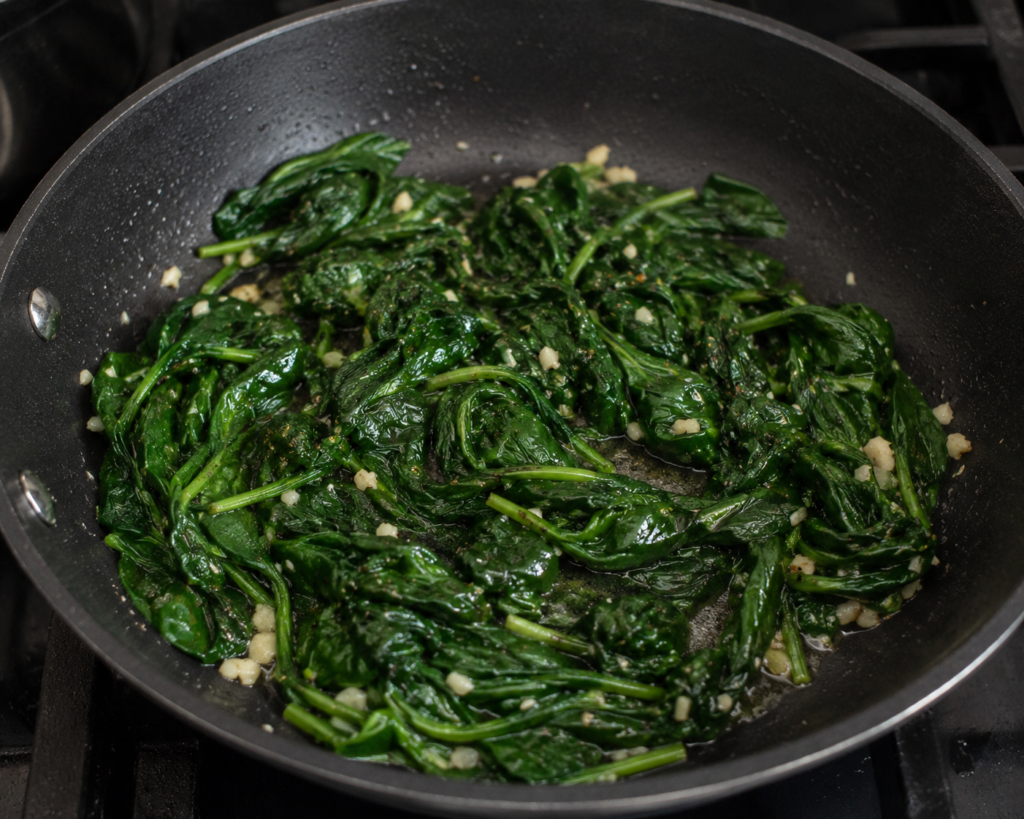
Eat lots of different foods that are high in iron. Don’t just eat spinach every day because that provide the variety your body needs to thrive.
Modern Dieting Has Changed Over Time
The human diet has changed drastically. Fast food, prepared meals, and also snacks filled with preservatives have become more common.
- Highly processed foods make up most meals.
- Vitamin and mineral dense foods are eaten less.
- People eat less variety as the years pass.
- More people are sacrificing nutrition for convenience.
It’s no surprise that so many people suffer from nutrient deficiencies.
Some Groups of People Require More Iron Than Others
Not everyone requires the same amount of iron. Children, Adults, and athletes all require more iron than the average person.
There are many different factors that play into how much iron you should be focusing on in your diet. Understanding your nutritional needs is key to breaking free from one size fits all guidelines.
Read Also: What Is Black Rice and Why Is It Called Forbidden Rice?
Diet Fads Limit Nutritional Intake
Since there is no one diet that works for everyone people like to come up with new ways to eat. Some of these diets are great while others can seriously limit your nutritional intake.
Eliminating food groups, or over consuming certain foods can create nutritional deficiencies.
Iron deficiency is common in many of these diet plans.
Other Vitamins Help Your Body Absorb Iron
Your body relies on other vitamins to properly absorb iron. Just eating foods that are high in iron is not enough.
- Your body uses vitamins to process minerals.
- Eating well-rounded meals helps with nutrient absorption.
- Create balanced meals to better support nutrient utilization.
- Learn what foods work well together.
You can learn a lot about nutrition by digging deeper into how each vitamin and mineral works together.
Symptoms of Iron Deficiency Don’t Show up Overnight
The sad thing about the Iron Deficiency Epidemic is that it takes years for nutrient deficiencies to appear.
Nutritional deficiencies don’t happen overnight. For most people, it happens gradually as your diet and lifestyle change for the worse.
Many people don’t realize that they are affected by iron deficiency because its symptoms are subtle.
Iron Supplements Aren’t Always Necessary
Iron supplements have become more popular as more people are diagnosed with iron deficiencies. While they can help in some cases, you should never just jump to supplements to solve your problems.
Eat better, become more mindful of what your eating, and seek help from a professional. This will give you a much better chance of improving your iron levels than supplements alone.
The Iron Deficiency Epidemic
Know yourself and your body. Eat plenty of iron-rich foods, not just spinach.
Learn how nutrition works and how vitamins and minerals can affect each other. The more you know, the better decisions you’ll make with your diet.
Stop worrying about just iron intake and start learning about iron absorption. This is where most people fail to when it comes to eating healthy.
Don’t let the Iron Deficiency Epidemic ruin your health. By eating a balanced diet and nutrient dense foods you’ll improve your chances of living a long healthy life.